What an Ingredient List Can and Cannot Tell You
Learn how to read an ingredient list, understand order and naming, and judge what the label can—and cannot—say about how a product may suit you.

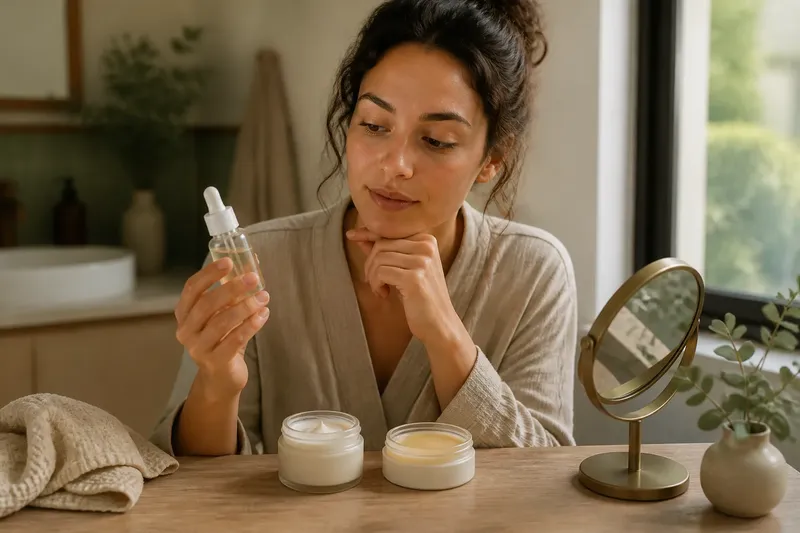
The most common mistake when reading an ingredient list is treating its first few names as a verdict on whether a product will suit you. That can lead you to reject a useful formula or buy one because it contains a favoured ingredient, even though the list cannot predict your individual response. Ingredient lists are better used as clues: they show what a product contains and give limited information about how it is assembled.
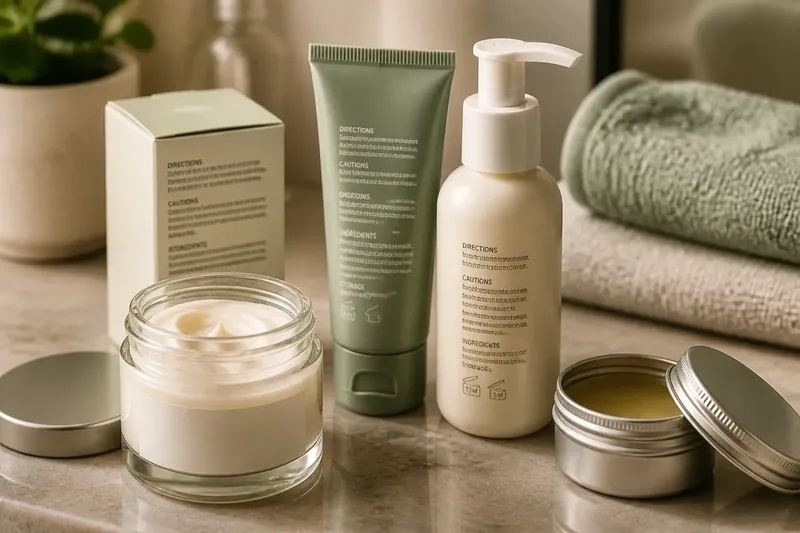
Start with the product’s full ingredient list
Find the list on the packaging or the manufacturer’s product page. Check that it refers to the exact product and version you are considering. A familiar name can cover several formulas, and packaging may change as ingredients or suppliers change.
Look for the complete list rather than a front-label callout. A product may highlight a plant extract, vitamin or exfoliating ingredient, while the back label also names the ingredients that make up its base, preserve it or affect its texture. Those supporting ingredients matter too.
Ingredient names may appear in a standardised naming form, often called INCI, short for International Nomenclature of Cosmetic Ingredients. This gives manufacturers and consumers a common way to identify substances, although names can look technical or unfamiliar. A botanical may be listed by its scientific name, while a common name appears in brackets or elsewhere on the pack.
Read the order as a rough clue
In many markets, ingredients present above a specified concentration threshold must be listed in descending order of amount. Ingredients below that threshold may be listed in a different order, and rules can vary by market. The result is a useful but incomplete ranking: earlier entries generally indicate a larger share of the formula, but the list does not tell you exact concentrations.
Do not treat the second or third ingredient as a precise measure of strength. Nor does an ingredient’s position tell you whether it is active in the way you expect. Its function can depend on the rest of the formula, its form, the product’s intended use and how it is applied.
Imagine you are comparing two moisturisers and both name glycerin near the top. The lists suggest that it is a substantial part of each formula, but they do not reveal whether the products feel alike or will suit your skin in the same way. Other ingredients, the overall composition and your own response still matter.
Translate unfamiliar names into likely roles
As you read down the list, group names by the jobs they commonly perform. This is more useful than trying to recognise every ingredient as either “good” or “bad”. One ingredient can have more than one function, and a name alone does not always establish its role in a particular product.
- Humectants, such as glycerin, can help attract and hold water in the outer layers of skin.
- Emollients, including some oils, fatty alcohols and esters, can soften skin and contribute to slip.
- Occlusive ingredients, such as petrolatum, can help reduce water loss from the skin’s surface.
- Surfactants help a cleanser lift and disperse oil and soil so they can be rinsed away.
- Preservatives help protect water-containing products from microbial growth during ordinary use.
- Fragrance ingredients may be listed as fragrance or parfum, or appear by their individual names under applicable labelling rules.
These groups are starting points, not ratings. For example, “alcohol” does not always mean the same thing: ethanol and fatty alcohols have different properties and uses. Read the full name and consider the product type before drawing a conclusion.
Separate a named ingredient from a product claim
A label may feature an ingredient because it is distinctive or familiar to shoppers. Its presence alone does not tell you how much is in the formula, whether it is present in a form suited to the claimed purpose, or what the finished product can do. An ingredient list also cannot establish that a product will deliver a particular result for every user.
Read claims alongside the intended use and directions. A rinse-off cleanser and a leave-on product are used differently, so the same ingredient name does not imply the same experience. If a claim matters to your decision, look for clear product information from the manufacturer rather than trying to infer the claim from the ingredient order alone.
Also distinguish an ingredient’s general reputation from your own needs. A popular moisturising ingredient may be a sensible thing to look for if you want a certain kind of formula, but its presence cannot tell you whether the complete product will feel comfortable or fit your routine.
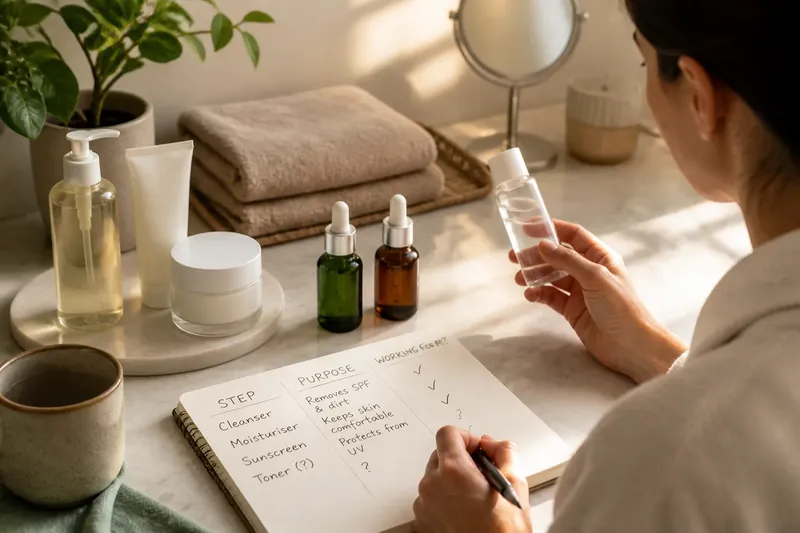
Use your own response as the missing information
The list describes the formula, not your skin’s response to it. Sensitivity, existing skin conditions, the other products you use and how often you apply a product can all affect whether it feels suitable. Two people can read the same list and have different experiences.
If you already know that a particular ingredient has caused you trouble, check for its name and familiar alternative names. If the label is unclear, ask the manufacturer. A short list does not automatically mean a product is gentler, and a long list does not by itself make it unsuitable.
For a new leave-on product, follow its directions and introduce it cautiously rather than changing several products at once. If you have a history of significant reactions or a skin condition, a dermatologist or other qualified health professional can offer advice suited to you. Product instructions and local labelling rules can differ, so use the information provided for the product you have.
What can an ingredient list answer?
Does ingredient order show exact concentrations?
No. It provides a rough ordering under the relevant labelling rules, but it does not reveal exact amounts. Ingredients present in small amounts may be ordered under different rules.
Can the list tell me if a product is fragrance-free?
It can help you look for fragrance-related names, but naming conventions and local requirements differ. Check the product’s specific label and manufacturer information if fragrance avoidance matters to you.
Does a familiar ingredient mean the product will suit my skin?
No. It tells you that the ingredient is included, not how your skin will respond to the finished formula. Your previous experience and the product’s directions are useful context.
Can the ingredient list identify a product’s texture?
It may offer clues through ingredients associated with oils, waxes, thickeners or humectants, but it cannot fully describe how the finished product feels. Think of the list like a recipe’s shopping list: it names components without showing precisely how they behave together.
Make a decision without overreading the label
Use the ingredient list to answer a few focused questions: Does it contain something you already avoid? Are the ingredient names consistent with the product’s stated purpose? Is there a particular component you want to ask the manufacturer about? Then weigh those clues against the directions, your past experience and the product’s intended use.
That is the practical limit of ingredient-list reading. It can help you identify ingredients, understand their likely roles and notice possible reasons to pause. It cannot, by itself, judge the finished formula or predict personal suitability. For that, treat the list as one part of your decision, not the decision itself.