Serum, Cream or Balm: Choosing a Texture for the Task
Serum, cream or balm: compare feel, application and routine fit to choose a leave-on texture that suits your skin preference and intended use.
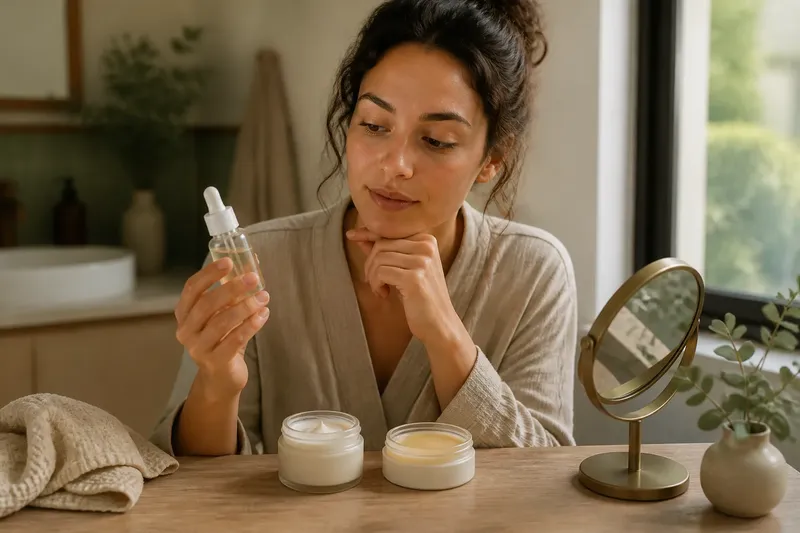
The common mistake with serum, cream or balm is treating the lightest texture as the most advanced and the richest as the most effective. That can leave a product feeling uncomfortable, awkward to apply or poorly matched to the task. Texture is a practical choice: it affects how a product spreads, how it sits on the skin and whether you will want to use it.
For a useful decision, set aside prestige and start with the product’s intended use, the area where you plan to apply it and the finish you can tolerate. A serum may suit someone who dislikes a substantial layer; a cream may feel easier to spread over a larger area; a balm may suit a small, dry patch that benefits from a more protective-feeling coating. None of those formats is automatically best for everyone.
Serum, cream or balm starts with the job
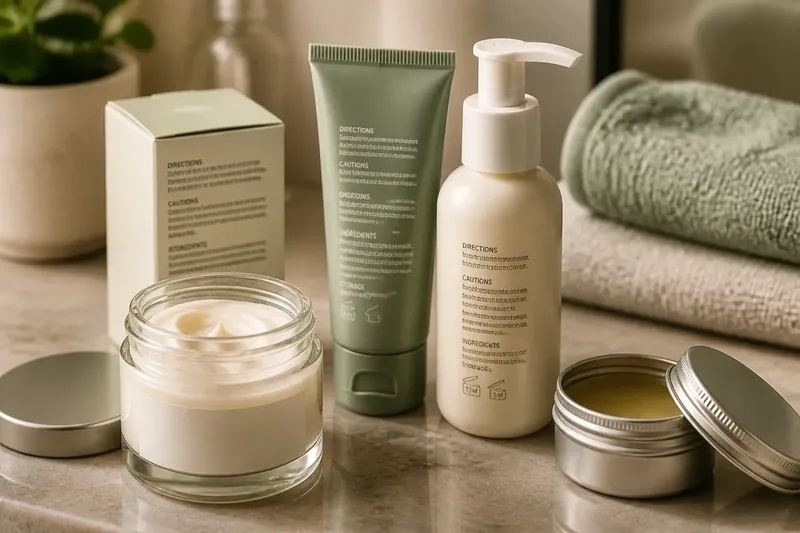
Product names offer clues about consistency, but they are not a complete description of how a formula behaves. Serums are often fluid or gel-like, creams are usually thicker and more emollient, and balms are commonly dense and oily-feeling. Formulas vary, so use the product’s directions and your own comfort as part of the decision.
It helps to separate three questions. What is the product meant to do? Where will you apply it? What texture can you comfortably spread and leave on? These questions keep the decision grounded in use rather than assumptions attached to a format.
Think of texture as choosing between a thin sheet, a soft cloth and a waxed cover. Each handles differently; the thickest is not automatically right for every surface or purpose. Skin is more complex than household materials, but the analogy makes one point clear: consistency changes handling, not the value of the product by itself.
A serum suits light layers and precise application
A serum often works well when you want a product that spreads in a thin layer, feels less substantial or is easy to place on a particular area. Many come in a pump bottle or dropper bottle. A pump can make dispensing straightforward; with a dropper, avoid touching the pipette to your face or fingers, and follow the packaging directions.
Serums can be watery, slippery, tacky or gel-like. The word alone does not tell you whether the finish will feel dry, leave a film or sit comfortably under another product. If you dislike residue, look for a texture description that matches your preference and try a small amount as directed before making it part of a regular routine.
Choose a serum when a light layer is the priority, when you want controlled application to a limited area, or when a thicker texture tends to feel distracting. If your skin feels tight after using it, a serum may not provide the finish you want on its own. You might prefer a cream over it, provided both products’ directions allow that combination.
A cream suits broad areas and familiar spreading
A cream is often a comfortable option when you want something that moves readily across a larger area without running like a thin liquid. It may be sold in a tube, pump or jar. Tubes and pumps limit direct contact with the contents; if a product comes in a jar, use clean, dry hands or a clean cosmetic spatula and follow its directions.
Creams differ in how quickly they seem to settle and how much coating they leave. A lighter cream may be easier to layer under other products, while a richer one may feel more substantial. Those descriptions are useful starting points, not promises about how a particular formula will feel on your skin.
Choose a cream when easy spreading and a familiar, balanced feel matter more than the thinnest possible layer. It may be a sensible middle ground if a serum feels too insubstantial and a balm feels too heavy. For a product you plan to wear during the day, consider how it sits beneath sunscreen or makeup, and follow the directions for each item rather than forcing layers together.
A balm suits small areas and a more protective-feeling finish
A balm is commonly the most concentrated-feeling of these three formats. It may be waxy, oily or buttery, and it often softens with warmth as you spread it. That can make it useful for targeted application where you want a coating to remain noticeable. It can also feel too heavy across a large area or under products that need a smoother, less coated surface.
Choose a balm if you prefer a rich feel on a localised area, or if a lighter product disappears too quickly for your comfort. Choose something else if the waxy finish bothers you, makes application awkward or clashes with what you plan to put on afterwards. A balm is not a universal replacement for cream, and its richness does not establish that it is more suitable for every skin concern.
If you are unsure, begin with the smallest amount the directions suggest and assess how it feels after application. Add more only if the product instructions allow it and the finish remains comfortable. That is a preference check, not a measure of how well the product works.
Which texture fits your situation?
What should I choose if I dislike a heavy finish?
Start with a serum or a lighter-feeling cream, then check how the actual formula sits on your skin. If a product leaves a coating you dislike, changing format may be more useful than applying a smaller amount indefinitely.
What works better for a small dry-feeling patch?
A balm may suit you if you want a dense, localised layer, while a cream may feel easier to spread if you prefer a less waxy finish. Keep application to the area and use described on the packaging.
Can I use a serum and a cream in the same routine?
Some people prefer a lighter product followed by a cream, but the combination depends on the formulas and their directions. Introduce products cautiously, especially if you have sensitive skin, and stop using a product that causes discomfort.
Is a balm always better for dry skin?
No. A balm may feel too occlusive or inconvenient for some people, while a cream may be more comfortable for everyday use. The better choice is the one suited to the area, the product’s intended use and your tolerance for its finish.
Use the order of application to judge the texture
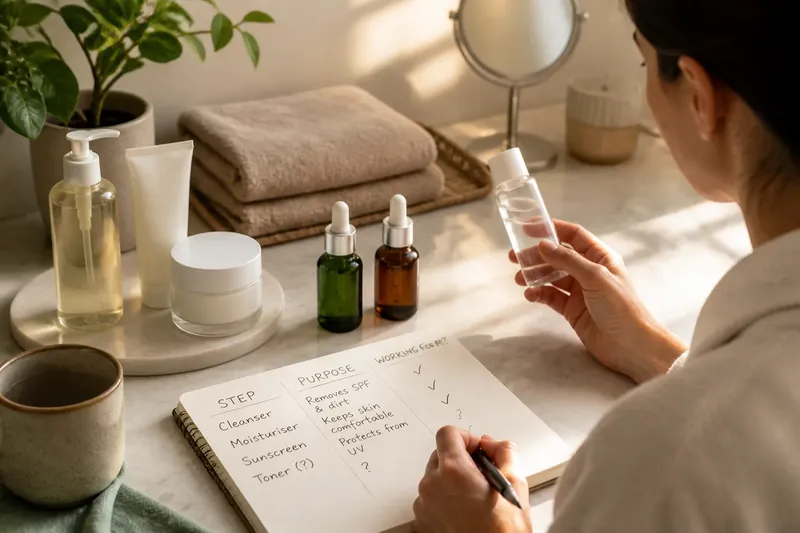
A leave-on product does not work in isolation from the rest of a routine. A fluid serum may be easy to apply first, but a cream layered afterwards can change the overall feel. A balm can leave a surface that affects how another product spreads. Rather than assuming every texture belongs in a fixed order, read the directions and consider which item needs direct contact with the skin.
Say you dislike a greasy feel on your whole face but want a richer product on one dry-feeling area. You could choose a cream for the broader area and, if its directions support it, apply a small amount of balm only to the local patch. The expected observable result is a lighter feel across most of the face and a more substantial coating where you placed the balm. If the two finishes still feel uncomfortable, simplify the routine rather than adding another texture.
For products used in the daytime, account for sunscreen and makeup. A layer that feels pleasant on bare skin may feel different under a sunscreen or base product. Follow each item’s application instructions, allow layers to settle as directed and avoid rubbing repeatedly if products begin to pill or shift. If that happens, try fewer layers or a different pairing.
Check the label before choosing by texture alone
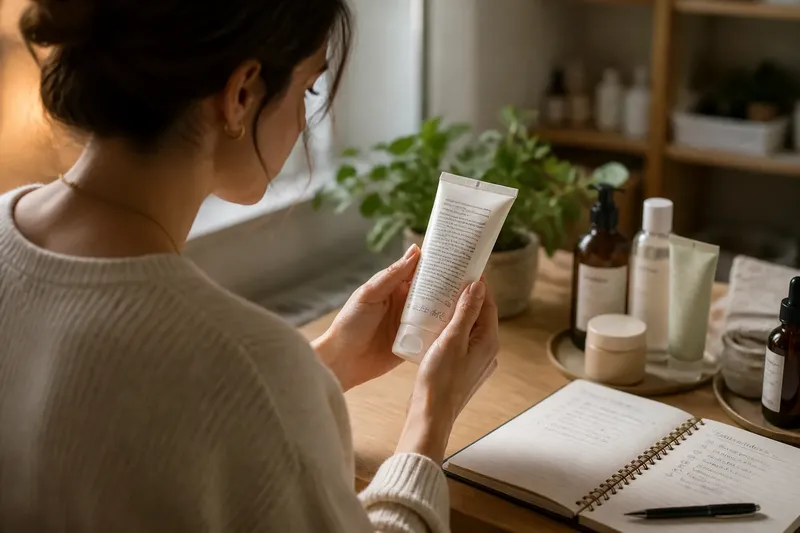
Texture helps you predict handling, but it does not tell you everything about a product’s intended use or suitability. Read the label for the area of application, use directions and any cautions that matter to you. If you are comparing products, note whether they are intended for the same purpose before treating their different formats as interchangeable.
Packaging is another practical part of the choice. A pump or tube may be easier to keep tidy than a jar; a jar may make a dense balm easier to scoop. Consider whether the dispenser lets you apply the product neatly and whether you can use it in the setting where you need it. Where the right choice depends on a label, manufacturer instructions or local rules, follow those directions.
If a product causes persistent irritation or you have a skin condition that affects what you can use, ask a qualified health professional for individual advice. Texture preference can guide comfort, but it cannot resolve a medical question.
Choose the feel you will use consistently
For serum, cream or balm, the clearest decision comes from matching the texture to the task: serum for a light, precise layer; cream for comfortable spreading over a broader area; balm for a rich, targeted coating. These are useful tendencies, not rigid categories. A formula’s directions and your own response matter more than the name on the front of the pack.
When you compare options, pay attention to spread, finish, packaging and how the product sits with the rest of your routine. If two formats serve the same purpose, choose the one that feels manageable and pleasant to apply. The texture you can use comfortably is a more practical choice than the one that sounds most impressive.